|
|
St Hugh and WithamIn about 1163 Hugh of Avalon in Burgundy, a young man of noble birth, became a monk at La Grande Chartreuse monastery, high in the mountains near Grenoble. He had been admitted to the religious life as an Augustinian canon when still a child, but now sought the ascetic and largely solitary life of the Carthusian order. Such was his zeal, devotion to his ideals and desire for learning that his master early prophesied that he would one day be a bishop. But when Henry II, hearing about Hugh's qualities, asked him to go to England to head the new royal priory at Witham, Somerset, Hugh at first refused. It took the |
strict orders of his prior to persuade him to depart. Hugh found Witham priory only half planned and half endowed. Its monks lived huddled in a wood and lacked even bare essentials. Hugh immediately confronted the king, and persuaded him to grant adequate funds and to compensate the former peasant owners of the land where the monastery stood. Royal courtiers were taken aback by the directness with which Hugh approached the king, but Henry was captivated by his personality and delighted by his wit. They were strikingly similar in appearance and many people thought Hugh was Henry's natural son. The king tried to heap favours on Hugh who, more often than not, refused. Henry presented Witham Priory with a fine bible which he had taken from |
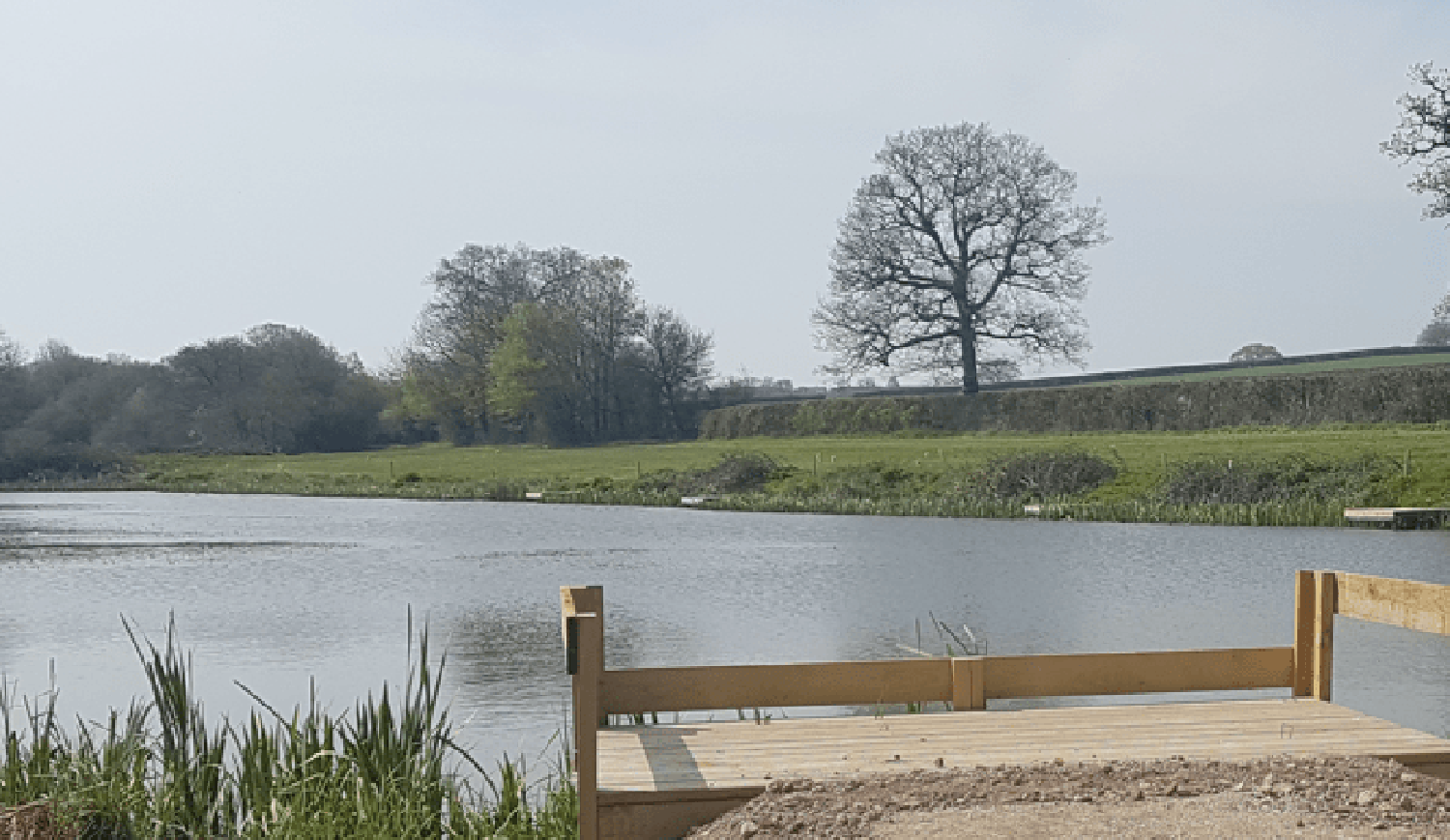
Above The site of the main church at Winchester Cathedral, but Hugh, unafraid of the royal wrath, returned it to its rightful owners. Nor did Hugh with to expand Witham once it had been properly established. Instead, he kept it a small, ascetic community, true to its Carthusian ideals. In 1186 the king and the prior of La Grande Chartreuse persuaded Hugh to become bishop of Lincoln. However, according to his biographer, Adam of Eynsham, he retained his links with Witham and, in his old age, returned there for a month each year to live the solitary life of a Carthusian monk. |